Why Reliable Personal Protective Equipment Matters in Daily Operations
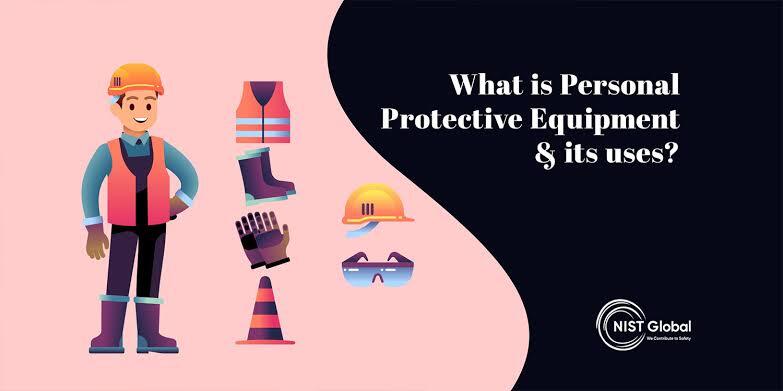
Personal protective equipment (PPE) plays an important role in keeping workers safe during daily operations. In healthcare facilities, factories, laboratories, and food processing environments, employees may face hazards such as chemicals, sharp objects, dust, and biological contaminants. Reliable personal protective equipment helps reduce exposure to these risks when workers select and use it correctly.
The quality of protective equipment matters because damaged, poorly fitted, or unsuitable products may not provide the expected level of protection. Businesses need to choose appropriate equipment, maintain it properly, and ensure employees understand how to use it. These steps support safer working conditions and help daily tasks run more smoothly.
Personal Protective Equipment and Workplace Safety
Every workplace has different hazards, so protective equipment should match the tasks employees perform. Gloves can help protect hands from selected contaminants, while safety glasses shield the eyes from certain particles and splashes. Depending on the environment, workers may also need protective clothing, respirators, helmets, or safety footwear.
Employers should assess workplace risks before choosing equipment. This process helps identify the type of protection required and prevents workers from relying on products that do not suit their tasks. For example, ordinary disposable gloves may be suitable for some hygiene activities, but chemical handling may require gloves made from materials tested for compatibility with specific substances.
Selecting suitable https://www.glovesupply.us/ is one practical step businesses can take to support hand protection in workplaces where employees regularly handle materials or equipment.
Reliable PPE Supports Consistent Daily Operations
Reliable equipment helps employees carry out their responsibilities with greater confidence. When protective products fit properly and perform as intended, workers can focus on their tasks without unnecessary interruptions caused by damaged or unsuitable gear.
Product consistency is especially important in workplaces that use disposable items every day. Gloves, for instance, should meet the relevant product specifications and suit the intended application. Businesses should check product labels, manufacturer instructions, and applicable standards before placing orders.
A dependable supply process also helps prevent shortages that might disrupt operations. Purchasing teams can review usage patterns, storage conditions, and delivery schedules to maintain suitable stock levels. However, availability should never replace quality checks when selecting protective products.
Training and Proper Use of Personal Protective Equipment
Even high-quality equipment cannot provide its intended protection if employees use it incorrectly. Workers need clear instructions on how to select, wear, remove, store, and replace each item. Training should also explain the limitations of specific products and when employees must report damaged equipment.
For disposable gloves, proper removal is particularly important because contaminated surfaces can transfer substances to the skin. Employees should follow workplace procedures and avoid reusing single-use products. Supervisors can reinforce these practices through routine checks and practical demonstrations.
Businesses can strengthen their safety procedures by reviewing workplace personal protection guidelines alongside equipment instructions and relevant safety requirements.
Inspection and Maintenance of Protective Equipment
Regular inspection helps identify tears, cracks, worn components, or other signs of damage before equipment is used. Reusable items may require cleaning, maintenance, and storage according to the manufacturer’s instructions. Disposable products should remain in suitable packaging and be replaced when damaged, contaminated, or otherwise unsuitable.
Organizations should also keep records of equipment checks, employee training, and product specifications when required by their safety procedures. These records help managers identify recurring problems and review whether current equipment meets workplace needs.
When working conditions change, employers should reassess their protective equipment. New chemicals, different machinery, or revised production processes may introduce hazards that require different protection. Matching equipment to current risks helps maintain consistent safety practices throughout daily operations.